
Proper golf cart battery maintenance helps protect your range, performance, and battery life. The most important steps are using the correct charger, keeping connections clean and tight, checking water levels in flooded lead-acid batteries, and addressing performance problems before the cart leaves you stranded.
Battery care is especially important in Arizona, where high temperatures can increase water loss, accelerate self-discharge, and place additional stress on a battery pack. The maintenance your cart needs will depend on whether it uses flooded lead-acid, AGM, or lithium batteries.
This guide explains how to care for each type and how to recognize when your golf cart batteries need professional attention.
First, Know What Type of Golf Cart Battery You Have
Before performing any maintenance, identify the battery type installed in your golf cart. Different battery chemistries have very different care requirements.
- Flooded lead-acid batteries: These batteries have removable vent caps and require periodic watering, cleaning, charging, and inspection.
- AGM or sealed lead-acid batteries: These batteries do not require watering. They still need correct charging, clean connections, and periodic inspection.
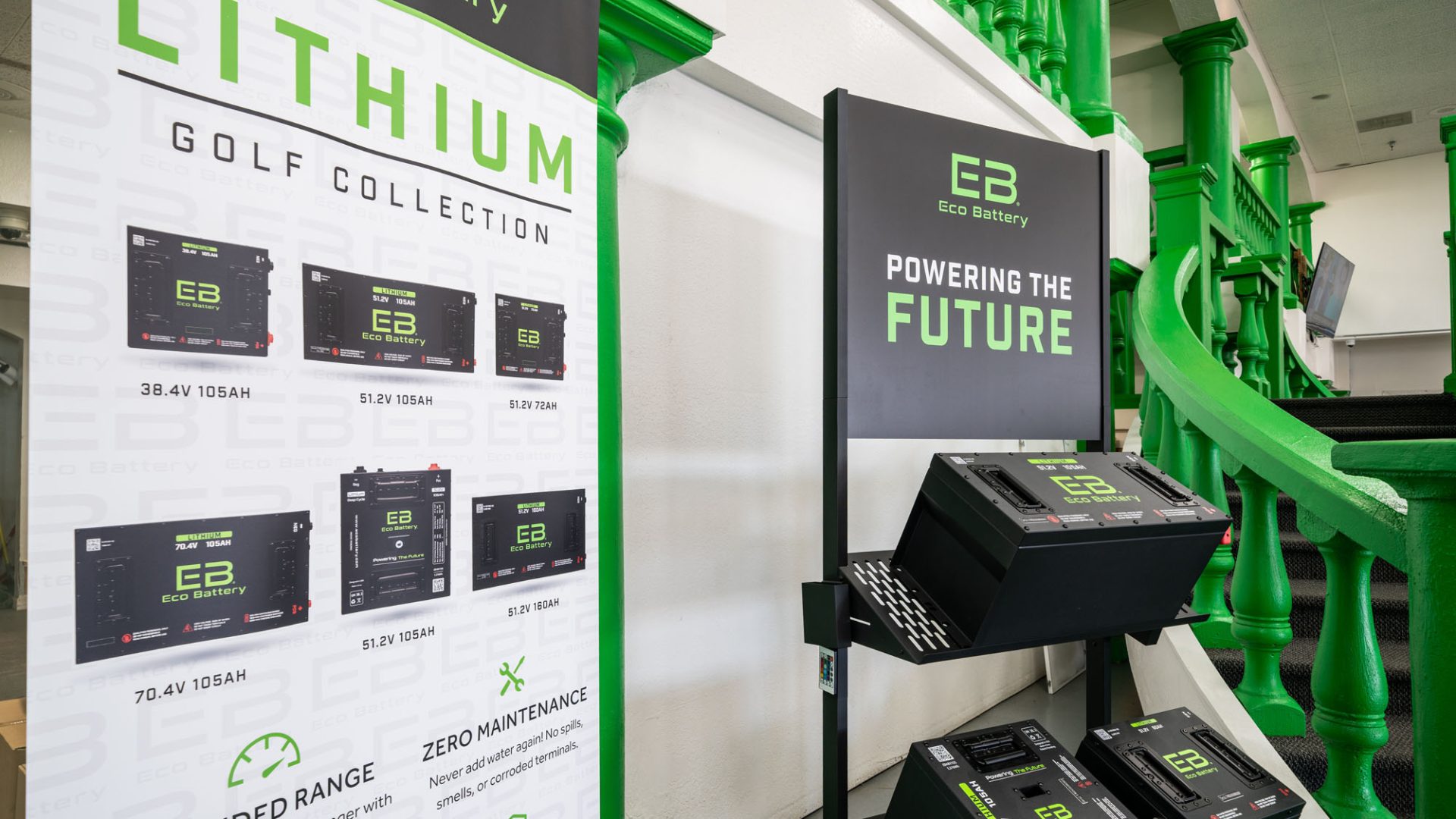
- Lithium batteries: Lithium systems do not require watering or traditional terminal maintenance, but they must use compatible charging equipment and should be inspected if warning lights or performance problems occur.
Important: Never remove caps or attempt to add water to an AGM, sealed lead-acid, or lithium battery. If you are unsure which battery is in your cart, check its label or ask a qualified golf cart technician.
Golf Cart Battery Maintenance Schedule
A simple maintenance schedule makes it easier to catch small issues before they become expensive repairs.
| When | Recommended Maintenance |
|---|---|
| After regular use | Recharge the cart with a charger designed for the battery chemistry and pack voltage. |
| Monthly | Inspect battery cables, terminals, the charger cord, and the battery compartment for corrosion, damage, moisture, or loose connections. |
| Monthly or as needed | Check water levels in flooded lead-acid batteries. Arizona heat and frequent use may require more frequent checks. |
| Every few months | Monitor driving range, charging time, acceleration, and hill-climbing performance for noticeable changes. |
| Before extended storage | Charge the battery and follow the battery manufacturer’s storage instructions. Do not store a lead-acid battery in a discharged condition. |
| At least annually | Have the complete battery pack, charging system, cables, and connections professionally inspected. |
This is a general schedule. Always follow the maintenance instructions provided by your battery and golf cart manufacturers.
Charge Your Golf Cart Batteries Correctly
Good charging habits are one of the most important parts of golf cart battery maintenance. Repeatedly operating a lead-acid battery at a low state of charge can reduce capacity and shorten its useful life.
- Use a charger that matches your battery type and the voltage of the complete battery pack.
- Recharge the cart after normal use rather than repeatedly running the batteries until the cart becomes noticeably slow.
- Allow the automatic charger to complete its charging cycle.
- Charge flooded lead-acid batteries in a well-ventilated area.
- Keep flames, cigarettes, sparks, and metal objects away from the battery compartment.
- Inspect the charger plug and cord for heat damage, cracks, or loose connections.
Do not assume that a charger designed for lead-acid batteries is suitable for a lithium conversion. Lithium batteries require charging equipment compatible with the battery system and its battery management system.
Check Water Levels in Flooded Lead-Acid Batteries
Watering applies only to flooded lead-acid batteries. These batteries lose water during normal charging, and allowing the electrolyte to fall below the plates can cause permanent damage.
For most flooded batteries, water should be checked after the batteries are fully charged. If the plates are exposed before charging, add only enough distilled water to cover them. Fully charge the batteries, and then adjust the water to the level recommended by the battery manufacturer.
How to Water Golf Cart Batteries
- Park the cart on a level surface, turn it off, and unplug the charger.
- Wear safety glasses, acid-resistant gloves, and protective clothing.
- Remove the vent caps and inspect the electrolyte level.
- Add distilled water only. Never add acid.
- Fill each cell to the manufacturer’s indicated level without overfilling it.
- Securely reinstall the vent caps.
Overfilling can cause electrolyte to overflow during charging, while underwatering can expose and damage the lead plates. A compatible single-point watering system can make the process faster and help reduce the chance of overfilling.
Keep Batteries, Terminals, and Cables Clean
Dirt, moisture, and corrosion can create resistance at the battery connections. This can reduce performance, interfere with charging, and generate excess heat.
Before cleaning, turn off the cart, disconnect it from the charger, secure the vent caps, and wear eye and skin protection. A baking-soda-and-water solution can be used to neutralize corrosion on the exterior of flooded lead-acid batteries. Keep the cleaning solution out of the battery cells.
Apply the solution carefully with a nonmetallic brush, rinse the exterior with a small amount of clean water, and dry the area thoroughly. Inspect the battery tray and cables while the compartment is open.
Look for:
- White, blue, or green corrosion around the terminals
- Loose or damaged battery cables
- Cracked cable insulation
- Darkened or melted connectors
- Fluid on top of a flooded battery
- Cracks, swelling, or leaks in a battery case
Loose connections can overheat, but overtightening can also damage battery posts. Follow the battery manufacturer’s torque specification or have the connections serviced professionally.
Test Battery Health and Performance
A battery does not have to be completely dead to affect your golf cart. One weak battery can reduce the performance of the entire pack.
Pay attention to changes in how the cart drives and charges. Common warning signs include:
- Shorter driving range than normal
- Sluggish acceleration
- Difficulty climbing hills
- Headlights dimming under acceleration
- A charging cycle that takes much longer than usual
- The cart losing power soon after charging
- One battery or cable becoming unusually hot
- A charger that will not start or complete its cycle
A hydrometer can measure the specific gravity of the electrolyte in a flooded battery, while a voltmeter can help identify voltage differences. However, voltage alone does not provide a complete diagnosis. A professional discharge or load test can determine whether the battery pack is delivering adequate capacity under real operating conditions.
If the cart has an AGM or lithium battery, do not open the battery case. Follow the manufacturer’s diagnostic procedure or schedule a professional inspection.
Protect Golf Cart Batteries From Arizona Heat
Arizona’s high temperatures can accelerate chemical activity inside batteries. Flooded lead-acid batteries may consume water more quickly, while all battery types can experience reduced long-term life when repeatedly exposed to excessive heat.
- Check flooded-battery water levels more frequently during hot weather.
- Park in a shaded or covered location whenever practical.
- Keep ventilation openings around the battery compartment clear.
- Avoid charging beside a major heat source or inside an unventilated enclosure.
- Inspect cables and terminals for heat-related damage.
- Follow the manufacturer’s temperature and storage recommendations.
If a battery becomes unusually hot, develops a strong sulfur or “rotten egg” odor, swells, leaks, or smokes, stop using and charging the cart. Move away from the vehicle and contact a qualified service professional.
Know When to Replace Your Golf Cart Batteries
Even a well-maintained battery pack eventually loses capacity. Replacement may be necessary when the cart’s range continues to decline after a complete charge, charging problems become frequent, or testing identifies a weak battery.
When replacing a traditional lead-acid battery pack, it is generally best to replace the complete set with batteries of the same type, voltage, capacity, and age. Mixing old and new batteries can create an unbalanced pack and may reduce the performance and life of the replacement batteries.
A professional battery inspection can help determine whether the problem is the battery pack, charger, cables, controller, or another part of the electrical system. Golf Car Superstore provides golf cart battery inspections, service, and replacement for all major brands.
Should You Convert Your Golf Cart to Lithium?
If you are tired of watering batteries, cleaning corrosion, or experiencing declining performance from an aging lead-acid pack, a lithium conversion may be worth considering.
Potential advantages of lithium golf cart batteries include:
- No battery watering
- Faster charging
- Lower battery weight
- More consistent power throughout the charge
- Longer potential service life
- Reduced routine maintenance
A conversion involves more than placing a different battery in the existing compartment. The battery voltage, capacity, charger, battery management system, mounting, cables, and other electrical components must be compatible with the cart.
Golf Car Superstore offers professional golf cart lithium battery conversions in Sun City West and Scottsdale. Drivers in the White Mountains can also learn about lithium conversions in Show Low and Pinetop.
Frequently Asked Questions About Golf Cart Battery Maintenance
How often should I check the water in golf cart batteries?
Check new flooded lead-acid batteries at least monthly until you understand how quickly they use water. Batteries used frequently or operated during hot Arizona weather may need to be checked more often. AGM and lithium batteries should never be watered.
Should golf cart batteries be watered before or after charging?
Flooded lead-acid batteries should generally be watered after a full charge. If the plates are exposed before charging, add only enough distilled water to cover them, complete the charge, and then adjust the water to the manufacturer’s recommended level.
Can I use tap water in my golf cart batteries?
Distilled water is recommended because minerals and other impurities in tap water can build up inside the battery and affect performance. Never add additional battery acid during routine watering.
Should I charge my golf cart after every use?
Lead-acid golf carts should normally be recharged after regular use instead of being left in a discharged condition. Charging recommendations for lithium batteries vary by system, so follow the battery manufacturer’s instructions.
Why are my golf cart battery terminals corroding?
Corrosion may result from electrolyte residue, overfilling, overcharging, moisture, loose connections, or normal battery operation. Clean the exterior carefully and have recurring or severe corrosion professionally diagnosed.
How can I tell whether my golf cart battery or charger is bad?
Reduced range, incomplete charging, unusual charger behavior, excessive heat, or major voltage differences can indicate a battery or charging-system problem. Because several electrical components can produce similar symptoms, a professional discharge and charging-system test is the most reliable diagnosis.
Schedule Golf Cart Battery Service in Arizona
Regular golf cart battery maintenance can improve reliability, preserve driving range, and help prevent unexpected breakdowns. If your cart is losing power, not charging correctly, or showing signs of corrosion or battery damage, Golf Car Superstore can inspect the complete battery and charging system.
Our technicians provide battery testing, replacement, electrical diagnostics, and lithium conversions for major golf cart brands. We serve customers throughout Sun City West, Surprise, Glendale, Peoria, Phoenix, Scottsdale, Show Low, Pinetop, and surrounding Arizona communities.
Request golf cart battery service, or learn about our convenient mobile golf cart service for eligible maintenance and repair needs.