
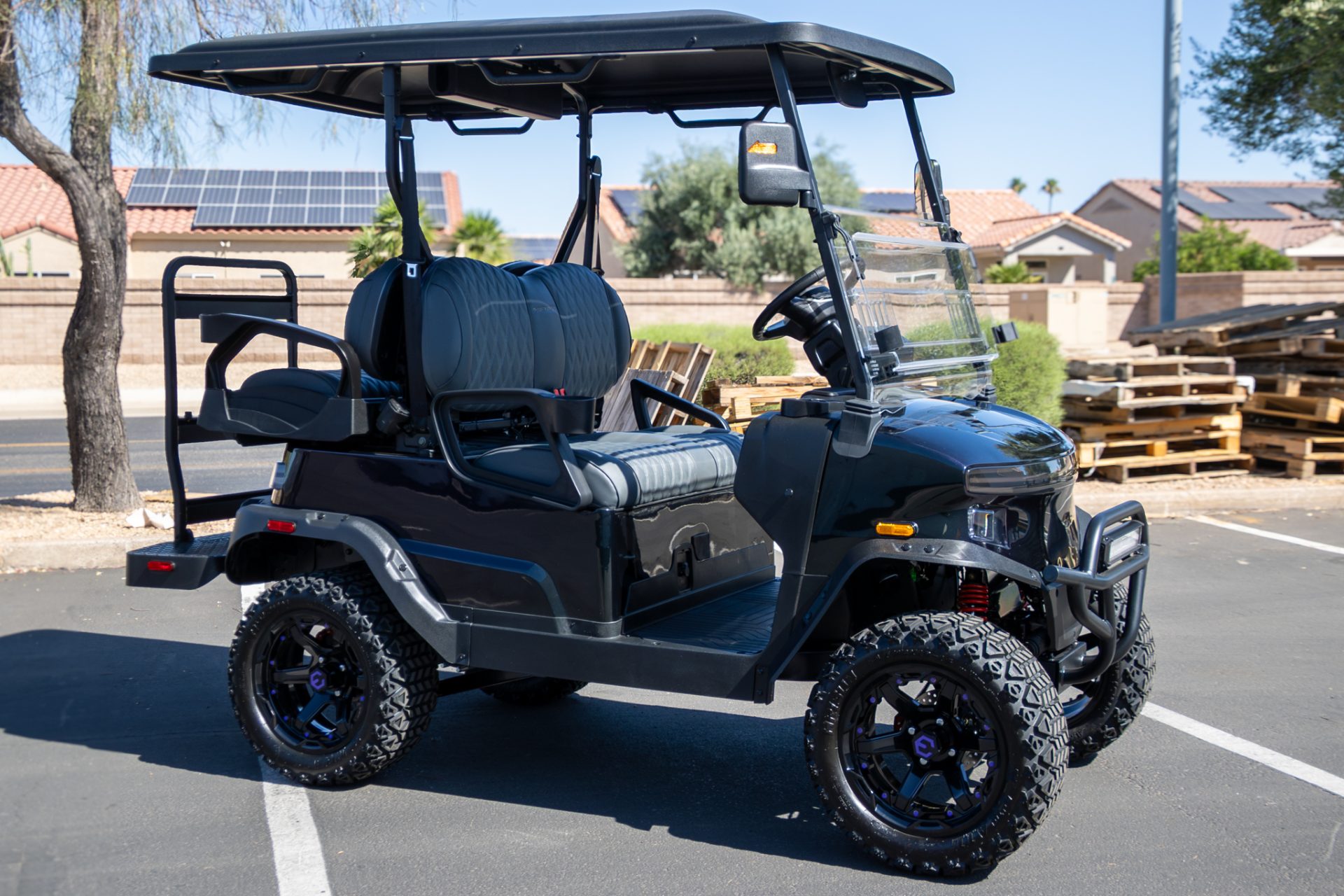
Arizona summers can be demanding on golf carts. Extreme heat, intense sunlight, blowing dust, and long periods of high temperatures can affect batteries, tires, electrical connections, upholstery, and exterior finishes.
A little preventive maintenance can help reduce unexpected breakdowns and keep your cart ready for neighborhood trips, golf outings, and everyday transportation. Use this Arizona summer golf cart maintenance guide to prepare your cart for the hottest months of the year.
Follow a Summer Golf Cart Maintenance Checklist
Before temperatures reach their summer peak, inspect the parts of your cart that are most affected by heat and frequent use. Your checklist should include:
- Checking tire pressure and tread condition
- Inspecting and maintaining the battery system
- Cleaning battery terminals and electrical connections
- Testing the brakes, steering, lights, and horn
- Checking the charger and charging cable
- Cleaning dust from the body and mechanical components
- Protecting seats and exterior surfaces from UV exposure
- Confirming that the cart has no fluid leaks or unusual noises
Always follow the maintenance schedule and specifications provided for your cart and battery system. Requirements vary between manufacturers, models, and battery types.
Check Tire Pressure When the Tires Are Cold
Hot weather causes the air inside tires to expand, so the pressure may read higher after the cart has been driven or exposed to direct sunlight. Check golf cart tire pressure before driving, when the tires are cool.
Inflate each tire to the pressure recommended by the golf cart or tire manufacturer. Do not automatically lower the pressure by one or two pounds during summer. Releasing air from a warm tire can leave it underinflated once it cools.
Underinflated tires can generate additional heat, increase rolling resistance, and cause uneven wear. Overinflation may reduce traction and make the ride feel harsher. The correct pressure helps support predictable handling, braking, tire wear, and driving range.
During your tire inspection, also look for:
- Cracks or dry rot in the sidewalls
- Uneven or excessive tread wear
- Nails, screws, or other embedded objects
- Bulges or visible tire damage
- Loose or damaged valve stems
Check all four tires regularly and before longer trips. Replace damaged tires instead of relying on pressure adjustments to correct a larger problem.
Know Which Type of Golf Cart Battery You Have
Summer battery maintenance depends on whether your golf cart uses flooded lead-acid, AGM, or lithium batteries. These systems have different care, charging, and storage requirements.
Flooded Lead-Acid Batteries
Flooded lead-acid batteries require periodic water checks. High temperatures can increase water loss, which means levels may need to be inspected more frequently during an Arizona summer.
In most cases, water levels should be checked after the batteries are fully charged. If the plates are exposed before charging, add only enough distilled water to cover them, complete the charging process, and then adjust the level according to the battery manufacturer’s instructions.
Use distilled water only. Do not add tap water, acid, or other fluids, and never overfill the cells. Overfilling can cause electrolyte to escape during charging, leading to corrosion and possible damage.
Wear appropriate eye and hand protection when inspecting flooded batteries. Work in a ventilated area and avoid sparks, flames, and smoking near the battery compartment.
AGM Batteries
AGM batteries are sealed and do not require water to be added. However, they still need clean connections, a compatible charger, and protection from excessive heat.
Inspect the battery case and cables for swelling, cracking, corrosion, or other damage. Follow the manufacturer’s charging and storage instructions rather than treating an AGM system like a flooded lead-acid battery.
Lithium Golf Cart Batteries
Lithium batteries also do not require watering. Many systems provide lower weight, steady power delivery, and less routine maintenance than flooded lead-acid batteries.
However, lithium batteries are not immune to Arizona heat. Every system has approved charging, operating, and storage temperature limits. A battery management system may reduce or stop charging and discharging when temperatures move outside those limits.
Use the charger specified for the battery, keep the battery area clear of debris, and follow the manufacturer’s instructions. Never bypass a battery management system or other built-in protection.
Inspect and Clean Battery Connections
Loose or corroded battery connections can interfere with charging and reduce performance. Heat and vibration may make existing connection problems more noticeable during summer.
With the cart turned off, visually inspect the cables, terminals, and battery cases. Look for:
- Loose or damaged cables
- Corrosion around terminals
- Cracked, swollen, or leaking battery cases
- Melted insulation or heat discoloration
- Unusual odors or residue
Do not work on damaged batteries or unfamiliar high-voltage components yourself. If you notice swelling, leaking, melted wiring, severe corrosion, or repeated charging problems, stop using the cart and schedule professional service.
Charge Your Golf Cart in a Suitable Location
The charging area should be shaded, dry, and properly ventilated. Avoid charging in direct sunlight or in an enclosed area where heat can build around the batteries and charger.
Keep the charger uncovered so it can release heat. Inspect the charging cable and plug for cuts, loose connections, discoloration, or other damage. Do not use an extension cord unless the charger manufacturer permits it and specifies the correct type.
Allow the charger to complete its normal cycle, and avoid driving the cart until the battery is deeply discharged. Regular charging practices can vary by battery type, so follow the instructions for your specific system.
Consider a Lithium Battery Conversion
For owners who want to reduce routine battery maintenance, a golf cart lithium battery conversion may be worth considering. Lithium batteries do not require watering and are often lighter than an equivalent lead-acid battery bank.
Depending on the battery and cart, other potential benefits may include:
- Faster charging
- More consistent power delivery
- Reduced battery weight
- Less corrosion-related maintenance
- A longer usable service life
A conversion must be compatible with the cart’s voltage, motor, controller, charger, wiring, and battery compartment. The battery also needs an appropriate management system and must be installed according to the manufacturer’s specifications.
Because performance and temperature limits vary between products, choose a battery based on the requirements of your specific cart rather than assuming every lithium system performs the same way in extreme heat.
Test the Brakes, Steering, and Suspension
Summer often brings more frequent golf cart use. Before relying on the cart for regular transportation, check that it steers smoothly, stops predictably, and remains stable over normal driving surfaces.
Schedule an inspection if you notice:
- Squeaking, grinding, or scraping while braking
- A brake pedal that feels unusually soft or hard
- The cart pulling to one side
- Loose or difficult steering
- Excessive bouncing or an uneven ride
- Unusual vibration at normal speeds
Tire, brake, steering, and suspension problems can become safety concerns. Do not wait for a complete failure before having unusual behavior inspected.
Keep the Motor and Mechanical Areas Clean
Dust and debris can collect around mechanical and electrical components. Inspect accessible areas and remove loose buildup according to the manufacturer’s directions.
Avoid spraying water directly into the motor, controller, wiring, switches, charging port, or gas engine. High-pressure washing can force moisture into components and create electrical or mechanical problems.
Gas-powered carts may also require engine oil, filters, belts, spark plugs, and other items to be inspected at scheduled intervals. Electric carts should have the motor, controller, cables, and charging system checked when performance changes or warning indicators appear.
Watch for Reduced Performance in Extreme Heat
Golf carts may feel different when carrying several passengers, climbing hills, traveling long distances, or operating during the hottest part of the day. These conditions can place additional demand on the battery, motor, controller, tires, and brakes.
Pay attention to warning lights, unusual odors, excessive heat, sudden power loss, reduced range, or changes in acceleration. Stop in a safe location if the cart begins acting abnormally. Continuing to drive could turn a small maintenance issue into a more expensive repair.
Protect the Paint, Seats, and Plastic Surfaces
Arizona sunlight can fade paint, dry out vinyl, and cause plastic components to become brittle. Regular cleaning and UV protection can help preserve the cart’s appearance.
Wash the cart with a mild automotive or golf cart-safe cleaner, then dry it with clean microfiber towels. Use wax or protectant approved for the cart’s body material. Apply a vinyl-safe UV protectant to the seats if recommended by the manufacturer.
Do not use household glass cleaner on a plastic golf cart windshield unless the product is specifically labeled safe for acrylic or polycarbonate. Harsh chemicals and abrasive towels can cloud or scratch the surface.
Whenever possible, store the cart in a garage, carport, or shaded area. If outdoor storage is unavoidable, use a breathable, properly fitted cover after the cart has cooled and dried completely.
Prepare for Arizona Dust Storms and Monsoon Weather
Summer maintenance in Arizona also means preparing for dust, wind, and sudden rain. Blowing debris can reduce visibility, clog open areas, and collect around the cart’s controls and mechanical components.
After a dust storm or heavy rain:
- Clean the windshield before driving.
- Check the tires for debris and damage.
- Make sure lights and reflectors are visible.
- Inspect the charging port for dirt or moisture.
- Remove leaves and debris from the floor and under the seats.
- Allow wet seats and enclosures to dry before covering the cart.
Never drive into a dust storm when visibility is poor. If you are already driving, move to a safe location away from traffic and wait for conditions to improve.
Be Careful With Long-Term Summer Storage
If you will not use your golf cart for several weeks, do not simply park it with a discharged battery. Battery storage requirements vary by chemistry, charger, and manufacturer.
Follow the specific instructions for your battery system. This may include charging the batteries, using an approved storage or maintenance mode, disconnecting certain components, or periodically checking the state of charge.
Store the cart in a dry, shaded, ventilated location. Make sure it is clean, remove personal belongings, inflate the tires to the recommended cold pressure, and protect the cart from pests and weather.
Frequently Asked Questions About Summer Golf Cart Maintenance
Does hot weather affect golf cart batteries?
Yes. High temperatures can increase water loss in flooded lead-acid batteries and contribute to faster battery aging. Lithium and AGM batteries do not require watering, but they still have specific charging, operating, and storage temperature limits.
Should I lower my golf cart tire pressure during summer?
No. Do not automatically release air because the weather is hot. Check the tires when they are cold and inflate them to the pressure recommended by the cart or tire manufacturer.
How often should I check water in golf cart batteries during summer?
The correct schedule depends on the batteries, cart usage, charging frequency, and temperature. Inspect flooded lead-acid batteries regularly and follow the battery manufacturer’s maintenance schedule. AGM and lithium batteries should not have water added.
Can I charge my golf cart outside in the Arizona heat?
Follow the battery and charger manufacturers’ temperature requirements. When possible, charge in a shaded, ventilated, dry area instead of direct sunlight. Stop using the charger if the cable, plug, or unit shows signs of damage or overheating.
Is a lithium battery better for Arizona golf carts?
A compatible lithium system can reduce weight and eliminate battery watering, but it must still be operated within its approved temperature range. Whether it is the best choice depends on the cart, driving habits, budget, and battery specifications.
How can I tell if my golf cart needs summer service?
Common warning signs include reduced range, slow acceleration, charging problems, unusual noises, weak brakes, loose steering, uneven tire wear, warning lights, corrosion, or excessive heat. Have the cart inspected if its performance or handling changes.
Schedule Golf Cart Service in Sun City West
Preventive summer maintenance can help your golf cart handle Arizona’s heat, but some tasks require trained technicians and the correct equipment. Golf Car Superstore provides golf cart maintenance and repair for major brands, including ICON, Vivid, Denago EV, Advanced EV, Epic, E-Z-GO, Club Car, Yamaha, Tomberlin, and Columbia/ParCar.
We serve golf cart owners in Sun City West, Sun City, Surprise, Peoria, Glendale, Phoenix, Buckeye, and communities throughout the West Valley. Contact Golf Car Superstore to schedule summer service, discuss a lithium battery conversion, or explore our selection of new and pre-owned golf carts.